
How to Help Young Children Express Big Feelings
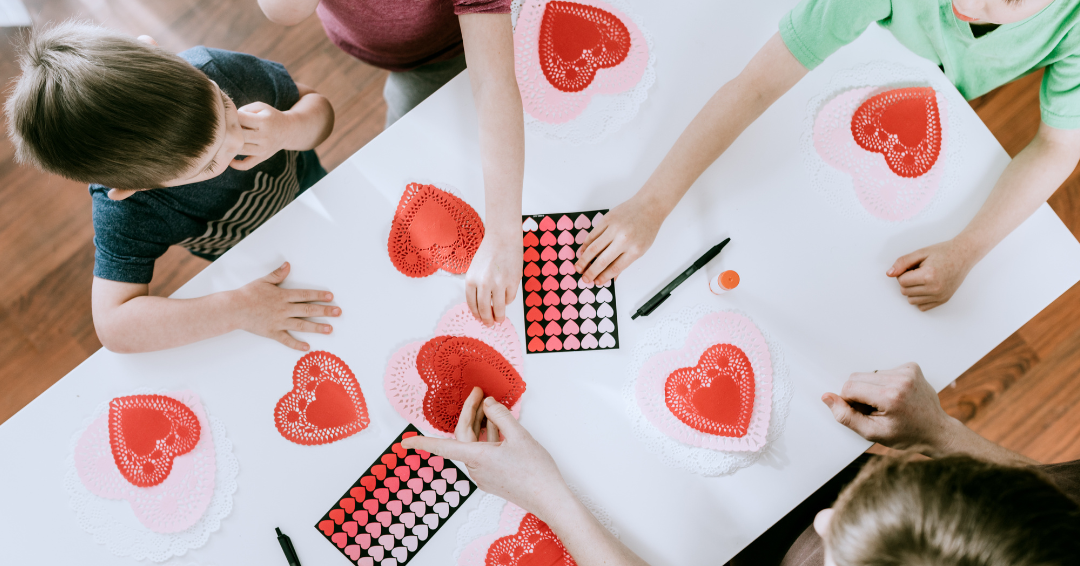
Young children experience emotions in big, powerful ways. Joy, frustration, excitement, disappointment, and love can all feel overwhelming when a child is still learning how to communicate. As Valentine’s Day approaches and families focus on love, kindness, and connection, it’s a meaningful reminder that helping children express their feelings is an important part of healthy development.
Emotional development begins early in life. When children feel supported in expressing their emotions, they build confidence, stronger relationships, and lifelong coping skills.
Why Big Feelings Can Be Hard for Little Ones
Toddlers and young children often feel emotions before they have the words to explain them. A child may feel frustrated when a toy doesn’t work, sad when a parent leaves the room, or excited when routines change. Without language or regulation skills, those emotions can come out as tears, yelling, or a full blown meltdown.
This doesn’t mean a child is misbehaving; it means they are learning. Emotional expression is a skill that develops over time, with guidance, repetition, and patience.
Start With Naming Feelings
One of the most helpful ways adults can support emotional development is by naming feelings out loud. When children hear words that match what they’re experiencing, they begin to understand and eventually use those words themselves.
You might say:
“It looks like you’re feeling frustrated.”
“You seem really excited right now.”
“Did that make you feel sad?”
Over time, this builds emotional awareness and gives children tools to express themselves more clearly.
Create a Safe Space for Emotions
Children need to know that feelings are allowed, even when certain behaviors aren’t. Letting your child know it’s okay to feel angry, upset, or overwhelmed helps them feel safe sharing those emotions.
A calm response from an adult teaches children that emotions are manageable. Simple reassurance like, “I’m here with you,” or “We can work through this together,” helps children learn regulation through connection.
Use Everyday Moments to Practice
Emotional learning doesn’t need to be a separate activity. It naturally fits into daily routines:
During play, talk about how characters feel.
While reading books, ask, “How do you think they feel?”
During transitions, acknowledge emotions around change.
Valentine’s Day can be a helpful time to talk about emotions like love, kindness, and caring for others. Simple activities like making cards, sharing hugs, or talking about people your child cares about provide natural opportunities to explore feelings.
When Big Feelings Feel Overwhelming
Sometimes emotions can feel intense or frequent, especially when children are still developing communication or regulation skills. If your child struggles with expressing feelings, calming down, or communicating needs, early support can help.
Early intervention at Encompass Family Support Services focuses on meeting children where they are and supporting emotional, communication, and social development through everyday routines. Support is personalized and centered around the family’s goals, contact our team today with questions or to get started.
Emotional development is just as important as physical milestones. With the right tools, guidance, and encouragement, children can learn to express even their biggest feelings in healthy ways. This Valentine’s season, remember that helping your child feel seen, heard, and supported is one of the most meaningful ways to show love. Big feelings are part of growing up, and with patience and connection, children learn that they don’t have to face them alone.
