
Creating a Home Environment that Supports Developmental Goals
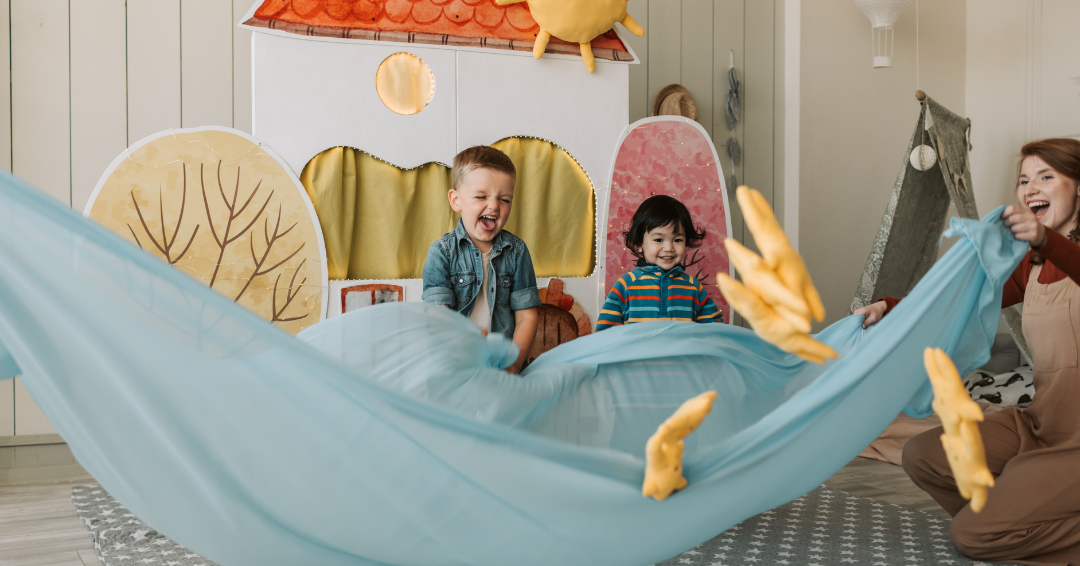
A child’s home is their first learning environment. Long before preschool or structured lessons, children learn through everyday routines, play, and interactions with the people who care for them most. The good news for parents is that supporting developmental goals doesn’t require special equipment or a perfectly organized home - small, intentional changes can make a meaningful difference.
At Encompass Family Support Services, we believe that development happens best when learning is woven into daily life. By creating a supportive home environment, families can encourage growth in communication, motor skills, social development, and independence in ways that feel natural and manageable.
The Importance of the Home Environment
Young children learn best in spaces where they feel safe, supported, and encouraged to explore. A thoughtfully arranged home helps children practice new skills through repetition and play. Simple things like accessible toys, predictable routines, and responsive communication can support development progress without adding pressure to parents or caregivers.
When children know what to expect and feel confident navigating their surroundings, they’re more likely to try new things, solve problems, and engage with others.
Simple Ways to Support Development at Home
You don’t need to overhaul your home to make it development-friendly. These small adjustments can help support your child’s goals across multiple areas:
Create Opportunities for Choice and Independence
Offering choices, like selecting between two books or snacks, helps children practice communication and decision-making. Placing toys on low shelves or using step stools allows toddlers to participate more independently in daily routines.
Designate Spaces for Play and Calm
Having a consistent area for play encourages creativity, movement, and exploration. A separate quiet space with books or soft toys gives children a place to regulate emotions and recharge when they feel overwhelmed.
Encourage Language Throughout the Day
Tell your child what you’re doing during everyday tasks like cooking, getting dressed, or cleaning up. Asking simple questions and responding to your child’s sounds or words helps build vocabulary and communication skills naturally.
Support Movement and Motor Skills
Clear, safe floor space allows babies and toddlers to practice rolling, crawling, walking, and climbing. Activities like stacking blocks, turning pages, or using utensils help develop fine motor skills through everyday play.
Building Routines That Reinforce Learning
Routines give children a sense of security and predictability. Regular meal times, play times, and bedtime rituals help children understand expectations while creating repeated opportunities to practice skills. Some examples are:
Mealtime supports communication, fine motor skills, and social interaction.
Bath time encourages sensory exploration and body awareness.
Getting dressed builds independence and coordination.
These routines don’t need to be perfect, they just need to be consistent enough for children to learn from them.
When Additional Support Might be Needed
Every child develops at their own pace, but sometimes extra guidance can help. If your child struggles with communication, movement, or social interaction, early support can make a lasting impact. Encompass Family Support Services focuses on helping families meet developmental goals within their everyday routines. If you’re unsure whether your child is on track, learning more about developmental milestones can be a helpful first step.
How Encompass Family Support Services Can Help
Creating a supportive home environment doesn’t mean doing it alone. Encompass offers free developmental screenings for children under age three in North Dakota. These screenings help families understand where their child is thriving and where additional support may be helpful. Request a free developmental screening.
Your home doesn’t have to look a certain way to support your child’s development. What matters most in connection, consistency, and encouragement. Through everyday routines, play, and shared moments, parents and caregivers play a powerful role in helping children reach their developmental goals.
With the right support and simple strategies, your home can be a place where growth happens naturally, one small moment at a time.
